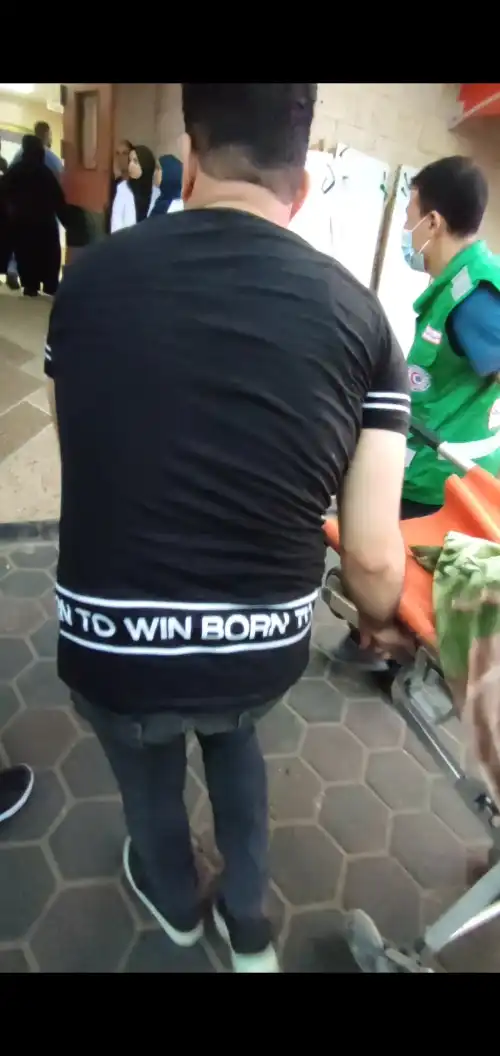
What follows are Islam's own words, shared with us so you can understand who you are helping. Some details are hard to read. They are harder to live through.
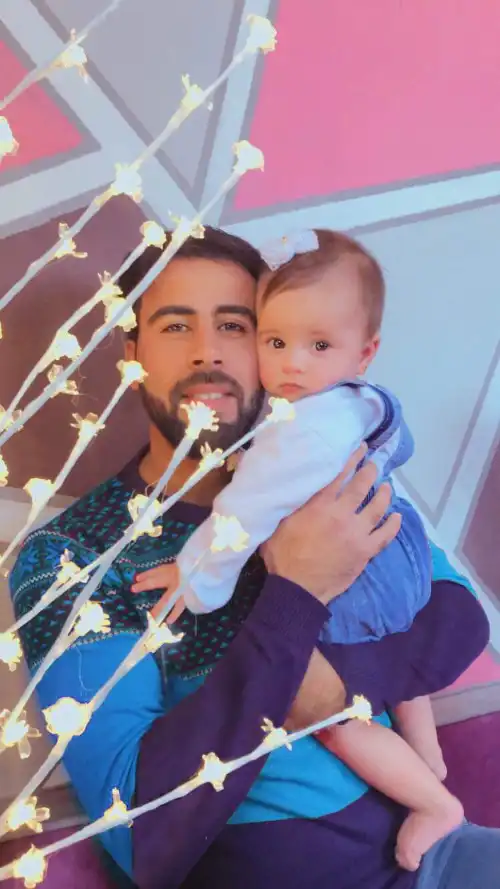
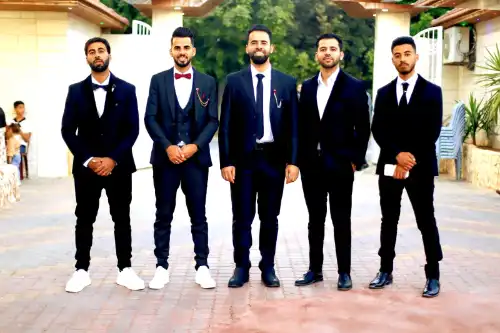
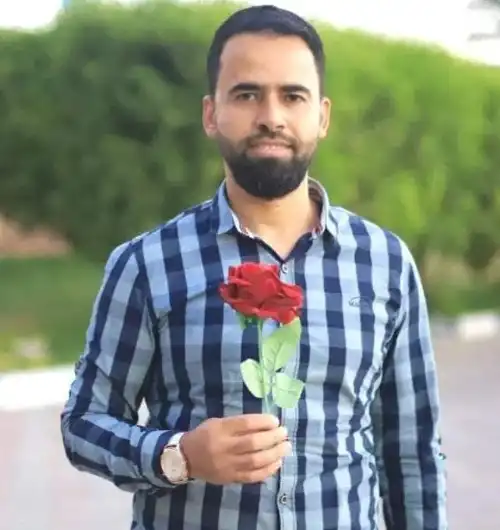
Despite the hardship of life in a besieged city, Islam didn't let it stop him from starting a new life. He married his wife, Houria, and they built a small family together. Before the war, there were photos of ordinary days — a wedding, a young couple, a baby on the way.
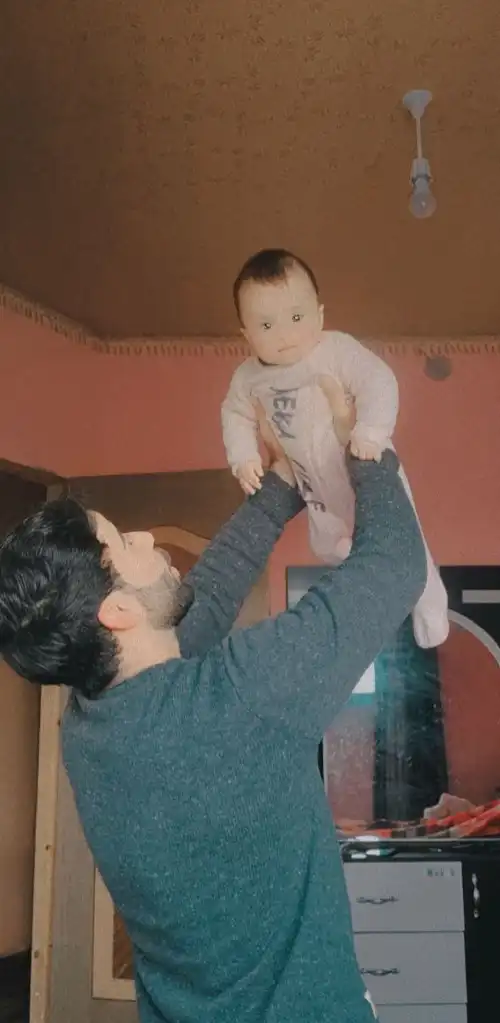
Islam had stepped out to look for drinking water. Communication and electricity networks were down; even the most basic necessities of life were gone.
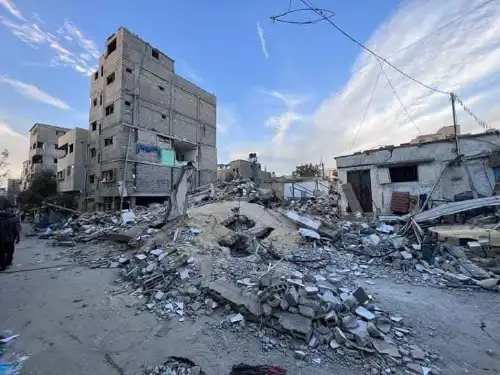
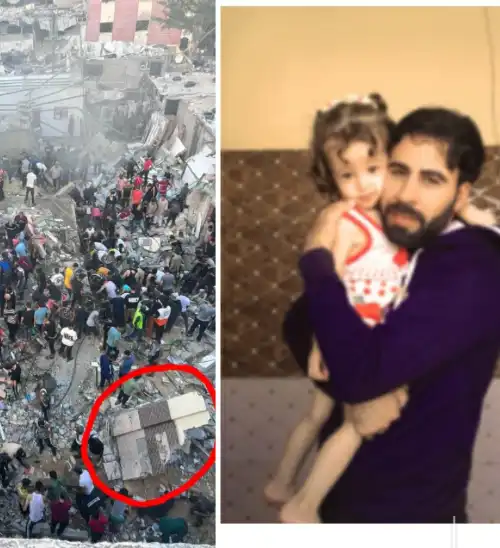
On his way back, he heard the explosion. Smoke engulfed the Nuseirat refugee camp. Stones were flying everywhere. He rushed home — and found the four-story family house reduced to rubble.
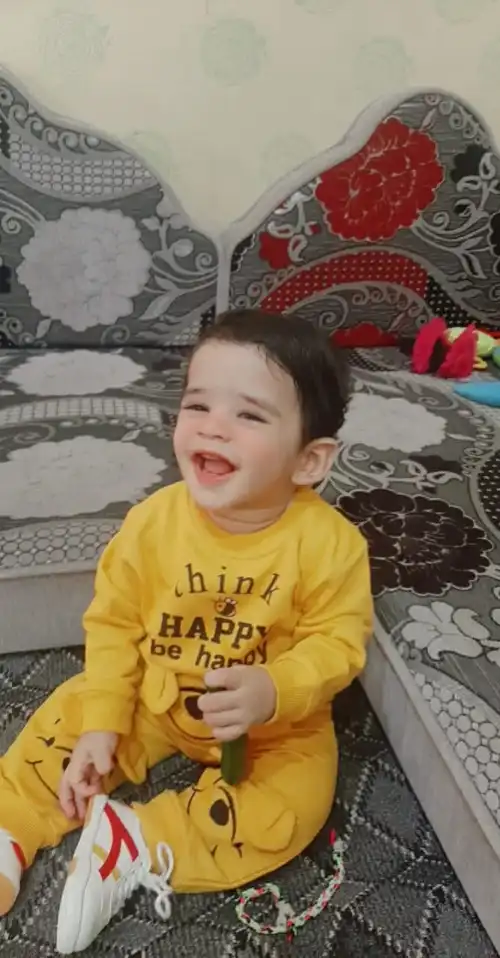
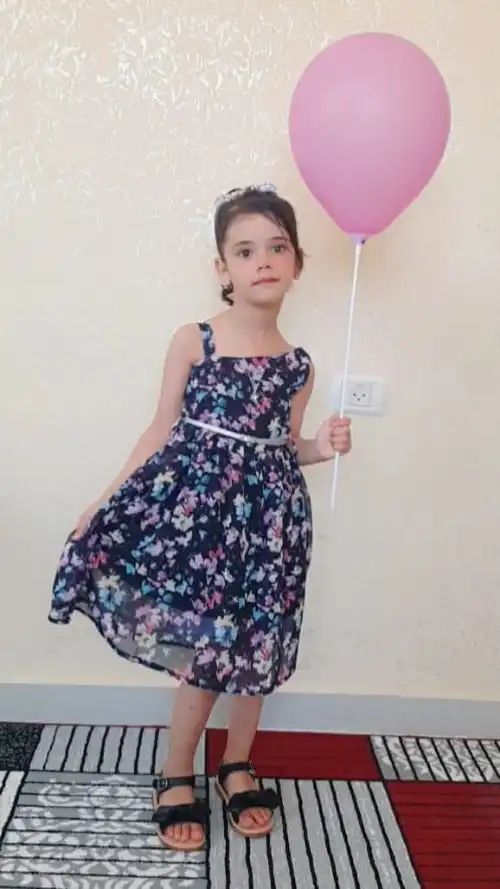
He frantically searched, crying out: "Where is my child? Where is my wife?" People helped him pull his daughter Eilan out of the stones. She was alive, with only minor injuries. God, he says, had protected her.
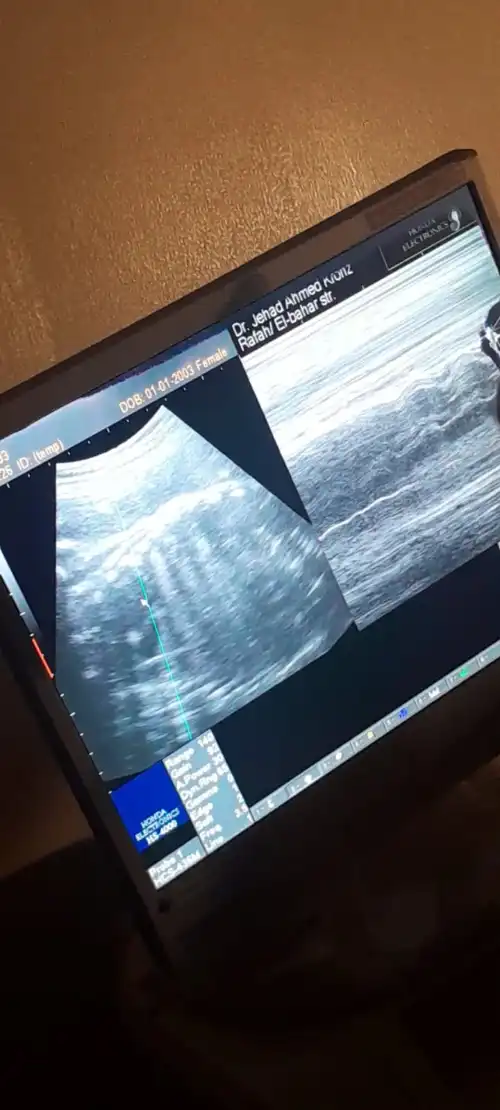
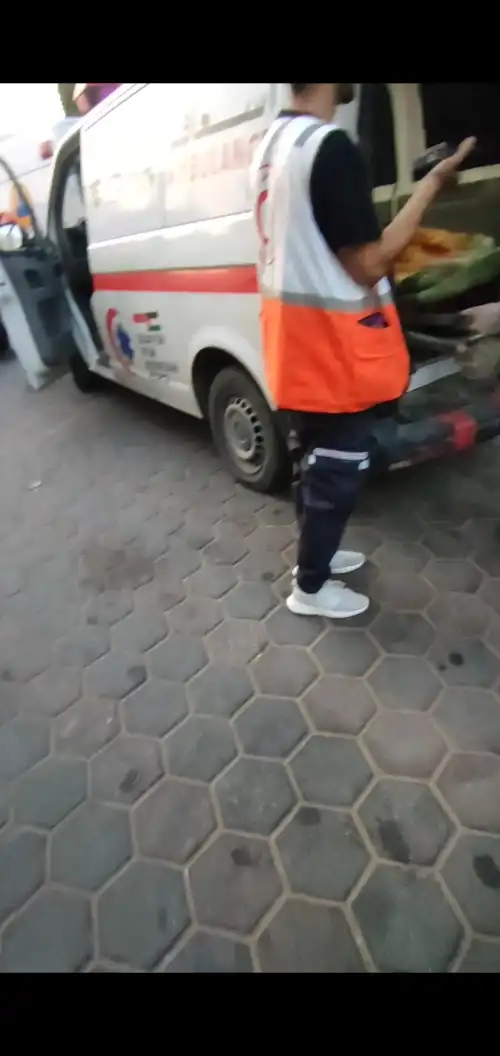
He rushed Eilan to the hospital. There, he found Houria — she had been taken there before him. She had moderate head and back injuries. She was still pregnant with their youngest.
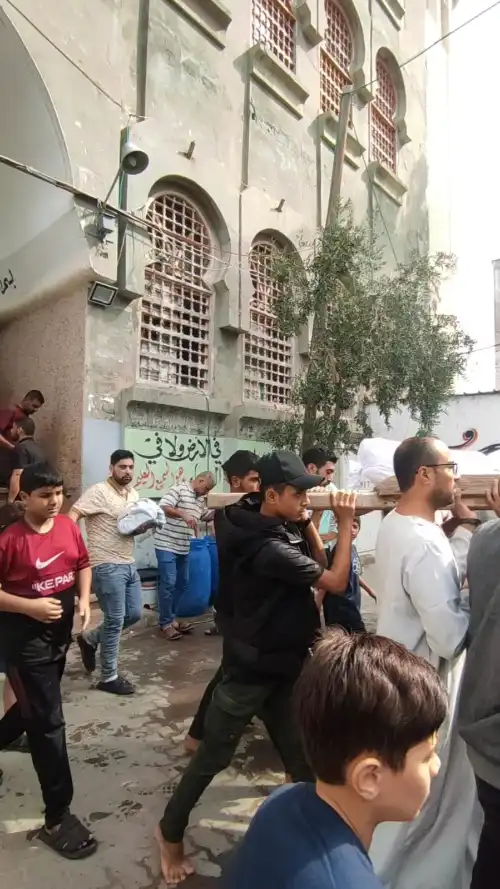
That day, Islam lost ten members of his family. Six of them were children.
After the house was bombed, the family was displaced to Islam's father's uncle's house in the Nuseirat refugee camp. They lived there for a month amidst the sounds of explosions and the shelling of neighboring houses.
Then they were urgently ordered to evacuate — Nuseirat had become too dangerous. Their second displacement took them to Rafah, where they stayed with Houria's relatives for four months.
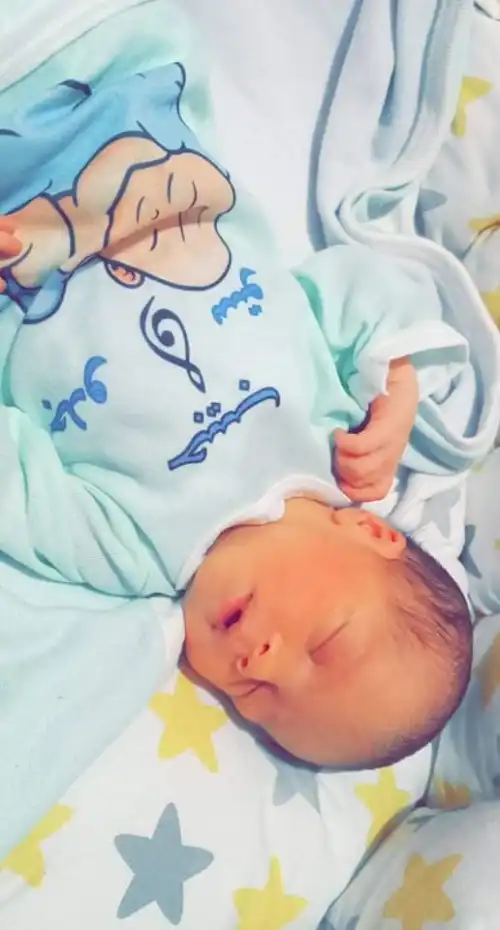
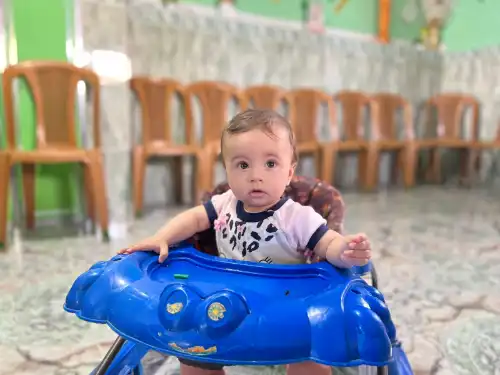
Just one month after his birth, baby Muhammad was not spared from the nearby bombing — glass flew at him, and he sustained injuries.
Four months later, Rafah too became dangerous. The family was ordered to evacuate again. Their third displacement was to Deir al-Balah, where they lived in a tent unfit for habitation, lacking the most basic necessities. The children fell ill — skin diseases, flu, recurring infections.
Once again, they were ordered to evacuate urgently. Their fourth displacement took them southwest of Nuseirat, to Tell al-Nouri, where they now live in a slightly better tent — but still, it does little to alleviate the hardships of each day.
A month after being displaced again, Islam's mother's cancer worsened. He took her to the European Hospital for a whole month — but there was no suitable medication available for her. She was dying day by day before his eyes.
With each passing day, the sound of explosions deprives Islam's children of their most basic right — to rest. Many nights, shrapnel pierces the tent and endangers their lives directly.
During the famine, Islam went out to search for food. Every time he tried to obtain flour, he came back with injuries.
Muhammad spent weeks in the hospital. Islam, unable to stay with him, waited at the tent. The children still suffer from recurring illnesses today — a direct consequence of the conditions they live in.
What you've just read represents no more than 20% of Islam's story.
Spreading a donation across a thousand campaigns feels safer. It isn't. Islam doesn't need a fraction of a cent — he needs a goal reached. The fastest way to do that is to focus, together, on his family.
All images and videos on this page were provided directly by Islam Abuhamada. Click any photo to view it larger. Content may be difficult to see.
"This is just a small part of my story, my dear friend."
— Islam Abuhamada, Gaza, 2026
Help Islam's family today